Heal Ambassadors Corner
meeting online and in-person
4819 S. 12th st, Tacoma, WA 11-12 Every 4th Saturday, join us.
What is Photovoice?
Photovoice puts cameras in the hands of people with valuable lived experience so they can explore, inform, and advocate
P: Describe your photo
H: What is happening in your photo?
O: Why did you take it?
T: What does this photo reveal about your life or community?
O: How could this photo inform positive change?
“Photovoice is an innovative way to reflect, talk, learn, share, and make a difference for yourself and others.” -PhotovoiceWorldwide
Photovoice puts cameras in the hands of people with valuable lived experience so they can explore and share their perspectives on health, family, community, and their futures.
The goal of photovoice is to give a “voice” to those who—because of their age, status, or condition—do not have a strong say in the policies and decisions that impact their health, safety, and quality of life. Photovoice participants around the globe include people living with chronic health conditions or disabilities, minorities, youth, veterans, immigrants, people living with mental illness, parents of children with special needs, people who are homeless, and many others.
Using the photovoice method, participants share stories with pictures and words, documenting their challenges and strengths, successes and failures, hopes and fears—from their perspective. Their photos and captions prompt respectful conversations among equals—whether researchers, participants, community members, or decision-makers. The photos, captions, and conversations become valuable data for advocacy, policymaking, and decisions on a path forward.
With photovoice, a range of stakeholders—patients, clinicians, researchers, community members, nonprofits—work together to:
Learn about photovoice and decide on a topic
Take photographs that show their thoughts and experiences
Discuss and reflect on their photos and experiences
Write or dictate captions to share the stories behind their photos
Identify common themes
Inform others through exhibits and other outreach.
Unlike traditional methods of research, where the persons conducting the study hold all the power, photovoice flips this script by empowering the persons being studied to be co-researchers. This participatory approach generates authentic, real-life data that opens people’s eyes to new possibilities, creates awareness, and becomes a catalyst for change. After participating in photovoice, many participants find they have greater confidence and self-esteem from having had an opportunity to be seen, be heard, and help others.

Let’s work together
Recycle
Repurpose
Reuse
Donations of Reuse items can be dropped @ 4819 S 12th Tacoma, WA 10-12
Items currently accepting
Clothes, Shoes, Small furniture items, dishes, and household items.

Our latest report is out!
All too often, environmental violations go unaddressed because the system for reporting these issues is fragmented and difficult for Washingtonians to navigate. Different agencies have varying responsibilities and figuring out whom to contact can be difficult depending on the violation being committed.
Our latest report, Lessons from IVAN-Washington, is the culmination of our work with frontline communities that are a part of our statewide coalition, as well as with state agencies and other governmental partners. Together, we came up with recommendations to address the barriers faced by communities when they need to report environmental issues.
Lessons from IVAN-Washington makes the case for a single, statewide environmental violations reporting tool to ensure we can advance equity, environmental justice, and healthy communities statewide.
A big thank you to all who lent their time and energy to engage in the development of this report!
Download the full report, or just read the executive summary in English or Spanish. https://frontandcentered.org/reports/

Where It's Hot and Why It Matters: Mapping Urban Heat in Pierce County
To track heat patterns, a collective of Pierce County agencies, cities, educational institutions, and nonprofits teamed up with the National Integrated Heat Health Information System (NIHHIS). On August 4, 2024, a high-heat day, volunteers recorded real-time temperatures across the County, focusing on schools, parks, and community centers.
The study determined that afternoon temperatures can vary up to 10°F depending on nearness to shoreline, human activity, building density, and tree canopy. Urban areas get and stay hotter, sometimes not even cooling down overnight. Areas with more trees and plants cool off more quickly.
With this data, the Pierce County Office of Resilience and Climate Action created an interactive hub where you can explore heat patterns in your neighborhood and learn more about how to stay safe, plus ways to get involved in climate action locally and beyond. Click on this link to learn more:
https://storymaps.arcgis.com/stories/05d35e84bbb34e158205390964de3704
Health: Health Equity

PFAS and Your Health
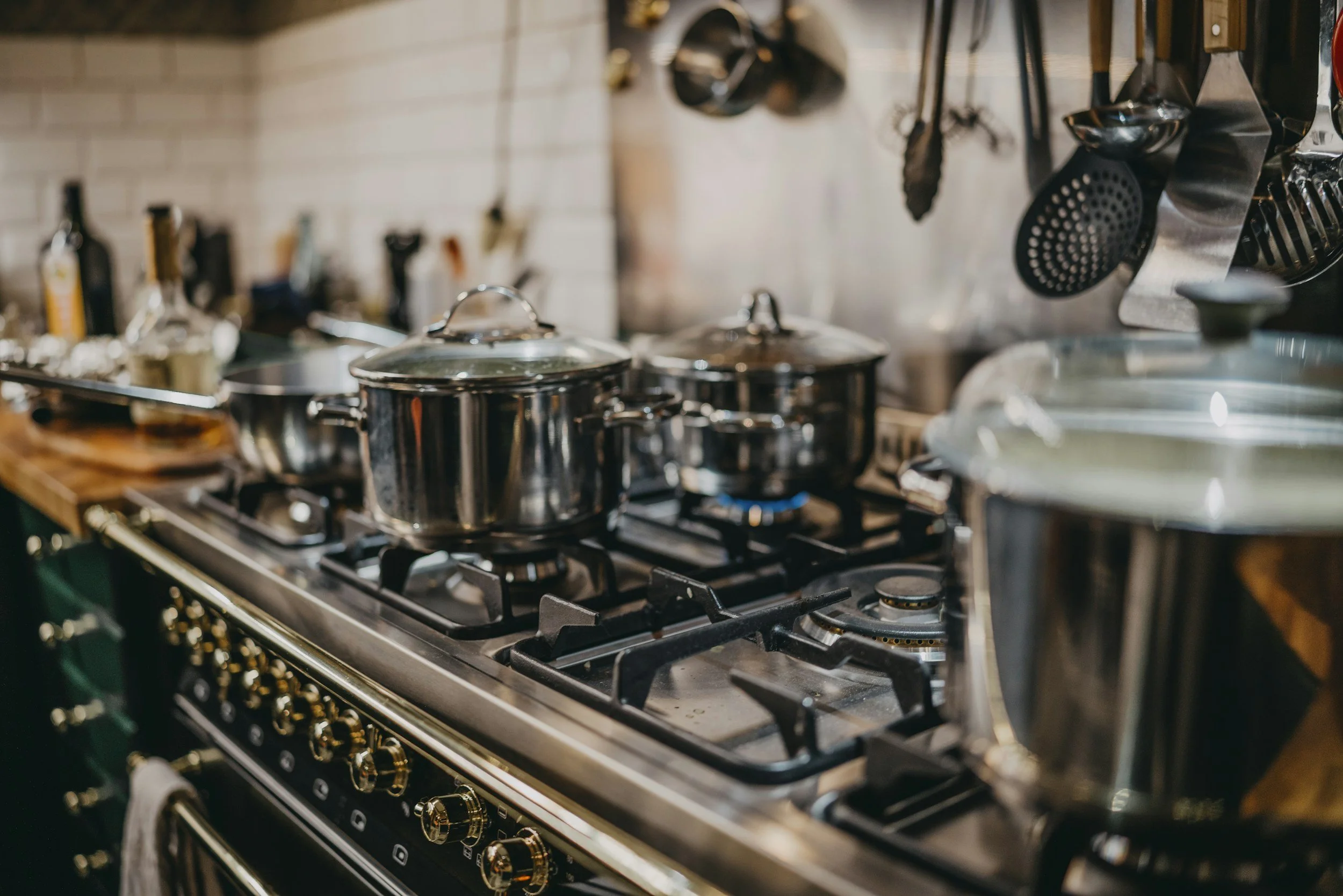
Did you know PFAS can be in your cookware? https://tpchd.org/homes/healthy-homes/pfas/
Per- and polyfluoroalkyl substances (PFAS) are a group of harmful chemicals.
They are used to make waterproof, nonstick, and stain-resistant materials. They do not break down naturally over time and build up in the environment and body.
Scientists are studying how PFAS affect people’s health.
Exposure to PFAS may lead to:
Lower birth weights.
Elevated cholesterol levels.
Increased risk of thyroid disease.
Reduced immune response to vaccines.
Higher risk of testicular and kidney cancers.
Increased high blood pressure during pregnancy.
Changes in liver enzymes that indicate liver damage.
How do you know if PFAS is in your cookware?
PFAS are common in nonstick cookware coatings.
PFAS in nonstick cookware may release into food if you scratch it or use high temperatures.
Your cookware may contain PFAS if it:
Has a nonstick surface.
Is scratched, peeling, or flaking.
Even if your cookware is labeled PTFE- or PFOA-free, it may still contain PFAS.
Keep PFAS out of your food.

Protect your water supply—enjoy good health.
Clean water promotes good public health. Everyone deserves to have a safe and reliable source of drinking water. To make sure water from the tap is safe, we permit, regulate, educate and consult with:
Water systems.
Industry professionals.
Property owners.
Businesses.
Are you curious about the water quality in your neighborhood?
Check out our new interactive map which shows water quality concerns in your area. The water quality information includes nitrate results, arsenic results and saltwater intrusion areas
Poor air quality affects your health.

Learn how you can improve the air—and your health.
Your age, general health, and the amount and length of exposure to smoke determines whether you will experience smoke-related health problems.
When smoke levels are high, even healthy people may experience symptoms.
Smoke can also affect indoor air quality in businesses and buildings like schools, hospitals, clinics, long-term care facilities, and offices.
When smoke levels are heavy outdoors, a large amount of smoke can get indoors, even when you close windows and doors.
Commercial buildings and schools air filtration systems’ draw in the outdoor air. Standard HVAC air filters don’t remove most of the ultra-fine smoke particles. MERV 13, or equivalent, high efficiency air filters can help remove particulates from the air.
10 ways to improve air quality and protect your health
Sign up for burn ban alerts and abide by them. Know when air quality conditions become stagnant!
Burn seasoned, dry wood to release the least possible amount of smoke. Avoid:
Wet wood—It produces a lot of smoke and won’t burn efficiently.
Treated or painted wood—It will produce very toxic chemicals if burned.
Burning cardboard or papers you want to get rid of—Recycle instead.
Dispose of yard clippings properly—Outdoor burning is illegal in most of Pierce County.
Take a break from the driver’s seat when possible—Public transit, carpool, biking or walking can be an enjoyable way to reduce emissions.
Combine errands to save gas—Reduce exhaust fumes if you need to drive.
Be idle free—Switch off your car when you idle for more than 10 seconds.
Slow down when you drive and keep a consistent foot on the gas—Speeding and slamming on your brakes wastes fuel.
Keep your vehicle’s engine and tire pressure in top condition—A well-maintained vehicle produces less pollution.
Avoid garden tools that run on gasoline—A push or electric mower doesn’t pollute like a gas mower.
Be mindful of spillage when filling your gas tank.
You also might like:
Questions?
Email Jackie Busby.